
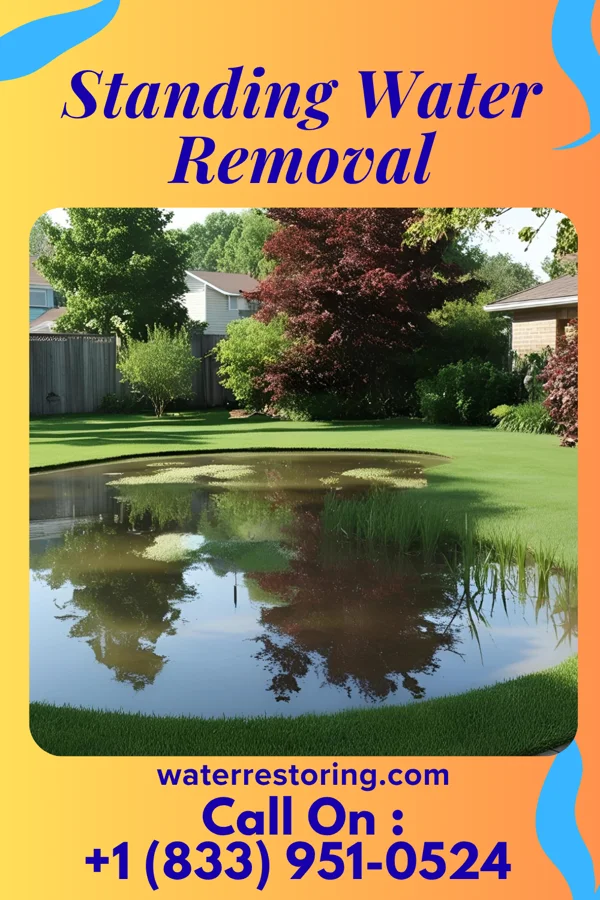
Standing Water & Insurance in Seward
In Seward, Alaska, the primary water damage causes include seasonal flooding from the Cook Inlet and heavy rainfall during the summer months, which can overwhelm drainage systems. Additionally, coastal storms and high tides often lead to water intrusion in lower-lying areas near the waterfront. is the trigger behind most standing water removal claims in Seward. A close second is Secondary causes include plumbing leaks from aging infrastructure, burst pipes in residential and commercial buildings, and water damage from ice dams on roofs during the winter months. Snowmelt and thawing permafrost can also contribute to subsurface water issues.. Most homeowner insurance policies cover sudden, accidental water damage. What separates a clean claim from a stuck one is fast professional response with documentation an adjuster can actually use.
Seward's coastal location and proximity to the Gulf of Alaska make it vulnerable to extreme weather events, including heavy precipitation, high winds, and storm surges. The region's wet climate and frequent fog increase the risk of prolonged water exposure.
Most standing water removal calls in Seward come from In Seward, Alaska, the primary water damage causes include seasonal flooding from the Cook Inlet and heavy rainfall during the summer months, which can overwhelm drainage systems. Additionally, coastal storms and high tides often lead to water intrusion in lower-lying areas near the waterfront.. Running a close second is Secondary causes include plumbing leaks from aging infrastructure, burst pipes in residential and commercial buildings, and water damage from ice dams on roofs during the winter months. Snowmelt and thawing permafrost can also contribute to subsurface water issues.. Local mold risk: Mold growth in Seward can develop rapidly due to the high humidity and frequent rainfall, making it critical to address water damage within 48 hours to prevent mold proliferation and structural damage.
For public guidance on the health effects of mold after prolonged water exposure, see the EPA mold and health page.